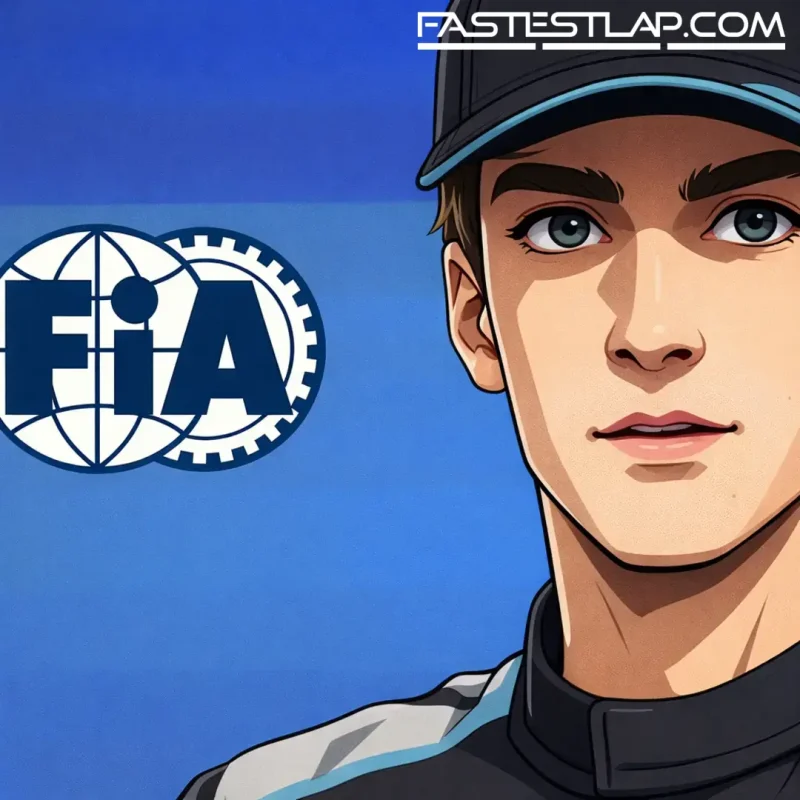
George Russell has moved quickly to close down an ugly little footnote from his Canadian Grand Prix weekend, apologising publicly after the FIA deemed his post-retirement actions “unsafe” and handed him a suspended €5,000 fine.
Russell’s Montreal race ended after 29 laps with a battery problem, his Mercedes W17 parked up and his patience gone with it. As he climbed out, TV cameras caught him hurling his headrest onto the track — the sort of split-second vent that reads one way in the cockpit and a very different way when you’re watching marshals work around a live circuit.
The stewards weren’t in any doubt about how they saw it. In their report, they noted Russell was “extremely frustrated” in the moment, but also that he “expressed his embarrassment” afterwards. Crucially, Russell acknowledged it “did not set a good example”, apologised to the officials in the room, and offered to make a public apology as well — an offer the stewards referenced when confirming the suspended fine.
He followed through on Monday morning with a short message on social media.
“Apologies to the marshals & FIA for making their job harder than it needed to be,” Russell wrote. “Lots of emotions in the moment.”
In a season that’s already felt tense inside the Mercedes camp, it was the kind of self-inflicted distraction Russell simply didn’t need. The team arrived in Canada with momentum and left with the headline result going to the other side of the garage: Kimi Antonelli took victory while Russell watched the closing stages from the sidelines, stewing over a failure he could do nothing about.
That contrast is starting to shape the early complexion of 2026. After five races, Russell’s first retirement of the year drops him 43 points behind his team-mate in the drivers’ standings — and it’s not just any lead. Antonelli has now won four races on the bounce, becoming the first driver in F1 history to start his victory tally with four consecutive wins, following earlier triumphs in China, Japan and Miami. Russell’s only win so far remains the season-opener in Australia.
None of that makes a headrest toss more serious in sporting terms, but it does make it more revealing. Russell is 28 now, a senior driver expected to anchor Mercedes’ new-era push, and these are the moments that feed narratives about pressure and composure — even when the root cause is mechanical. F1’s margins are brutal enough without handing rivals and pundits a clip that runs on loop.
And rivals did notice. Red Bull’s official social media account weighed in with a winking response to a screenshot of the incident, posting: “Borderline something something.” It was an unmistakable nod to Russell’s war of words with Max Verstappen back in 2024, when Russell accused the four-time world champion of lashing out with “unnecessary anger and borderline violence” when things didn’t go his way.
It’s the sort of paddock needling that tells you two things at once: first, teams are watching each other’s body language as closely as lap times; second, reputations in F1 are always under negotiation. Russell has spent years trying to project the image of the measured professional — the driver who speaks plainly, drives hard, and doesn’t do the theatrics. Canada briefly cut across that, and Red Bull were happy to point it out.
From the FIA’s perspective, the line is straightforward. Trackside safety isn’t negotiable, and anything thrown onto the circuit adds risk — not least because it can force marshals into awkward decisions, or create debris in the path of cars still at speed. The fine being suspended is a reminder that context and contrition count, but the label “unsafe act” is not one any driver wants on their record.
Russell’s apology should end the matter in procedural terms. In competitive terms, it doesn’t change the bigger issue for him: Antonelli is on a tear, Mercedes are winning races, and the internal pecking order is suddenly less theoretical than it looked over the winter. When one side of the garage is stacking trophies and the other is throwing headrests, even once, the optics are hard to ignore.
What happens next is more interesting than what happened in the heat of Montreal. Russell has been quick enough to win this year; he’s not suddenly forgotten how to drive. But 2026 is already asking a different kind of question of him — not about speed, but about how he responds when momentum swings away and the spotlight swivels to the teenager next door.
In Canada, he gave the sport a moment it didn’t need. On Monday, he did what a top driver should do: owned it, apologised, and moved on. Now he has to make sure the next time the cameras find him, it’s for something he’s proud of.