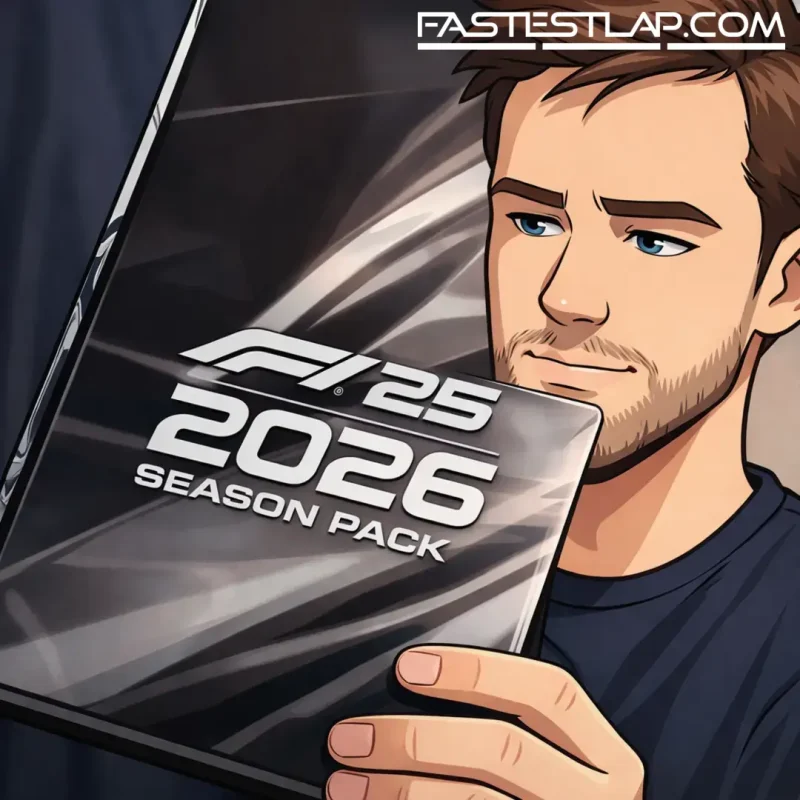
EA Sports has dropped its 2026 Season Pack for F1 25, and it’s more than the usual mid-cycle lick of paint. This is the first proper attempt to squeeze a regulation reset, two new works entries, and a brand-new circuit into a game that was never built as the “true” 2026 physics platform in the first place — that’s being held back for next year’s full release.
For players, the headline is obvious: the grid finally looks like 2026. Audi and Cadillac are now selectable teams, the updated car shapes are in, and there’s a virtual version of Madring — Madrid’s new home of the Spanish Grand Prix — available to lap before the real-world paddock even turns up. It’s a nice bit of timing, and a reminder of how aggressively the sport’s calendar and identity are being reshaped.
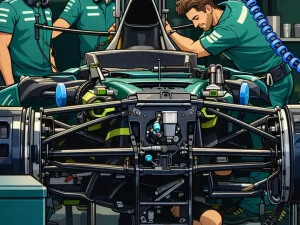
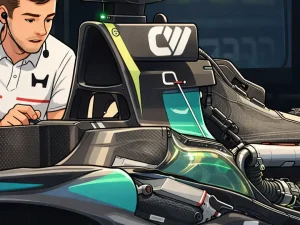
The more interesting piece, though, is how EA has chosen to approximate what 2026 is supposed to feel like. The Season Pack brings in smaller, lighter cars and introduces ‘Overtake’ and ‘Boost’ modes designed to mirror the new era’s on-track tools. Even in game form, that’s a different rhythm to what players have been used to: more active energy management, more deliberate deployment, and a slightly less “point and squirt” flow to a lap when you’re trying to line everything up.
EA’s messaging is fairly candid about the compromise. The company is positioning this pack as a bridge to a dedicated 2026-built title arriving in 2027, where it can commit to more accurate physics rather than bending an existing model until it fits. That context matters: a regulation reset isn’t just a cosmetic change, and anyone expecting a perfect simulation of the new machinery inside a DLC is setting themselves up for disappointment. But as a stopgap, it’s a serious one — and for a lot of the player base, “serious enough” is the whole point.
The pack is rolling out across PlayStation 5, Xbox Series X|S and PC. New buyers can also opt for an F1 25 2026 Season Edition, which bundles the update’s content into a single purchase.
EA has also pushed through a refresh of driver ratings, built around experience, racecraft, awareness and pace. Max Verstappen sits top of the list on 95, ahead of Lando Norris (94) and George Russell (93). Charles Leclerc follows on 92, with Lewis Hamilton and Oscar Piastri both on 91 — a neat snapshot of how the game currently frames the sport’s competitive centre.
There’s movement further down the order too, with Arvid Lindblad added, and Valtteri Bottas and Sergio Perez returning to the game’s pool. Whether you treat those ratings as gospel or just background noise, they’re always a talking point because they reflect the sport’s ongoing argument: who is actually driving best, and how much credit do you give to machinery versus execution?
The full top-22 as listed in the update runs:
1: Max Verstappen – 95
2: Lando Norris – 94
3: George Russell – 93
4: Charles Leclerc – 92
5: Lewis Hamilton – 91
6: Oscar Piastri – 91
7: Fernando Alonso – 90
8: Carlos Sainz – 86
9: Alex Albon – 85
10: Sergio Perez – 85
11: Nico Hulkenberg – 85
12: Pierre Gasly – 84
13: Valtteri Bottas – 84
14: Esteban Ocon – 84
15: Kimi Antonelli – 83
16: Isack Hadjar – 83
17: Oliver Bearman – 83
18: Gabriel Bortoleto – 80
19: Liam Lawson – 79
20: Lance Stroll – 77
21: Franco Colapinto – 73
22: Arvid Lindblad – 68
Ultimately, this update isn’t trying to replace the proper 2026 game — it’s trying to stop the gap year from feeling like a dead end. Audi and Cadillac being playable is a big deal for anyone who likes running full-season saves with a hint of realism, and Madring arriving early gives the community a new toy to obsess over before the first real braking point is even painted.
If nothing else, it underlines how modern F1 now works: the next era isn’t something you wait for. It’s something you download.