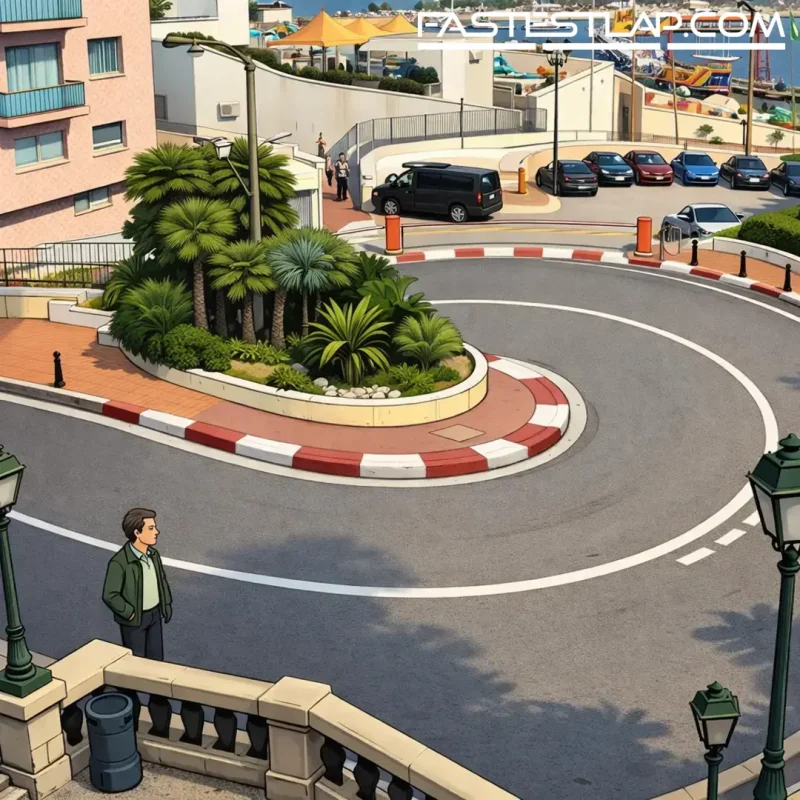
Monaco Friday mornings have a familiar soundtrack: engines bouncing off the buildings, the odd scrape as someone gets greedy with a kerb, and that quiet sense of everyone resetting their internal clocks to *street circuit mode*. Free Practice 1 at the 2026 Monaco Grand Prix is where the weekend really begins — not because anyone’s chasing headline lap times, but because the first job here is simply to get comfortable again with how little margin the Circuit de Monaco offers.
The session runs for the standard 60 minutes, beginning at 13:30 local time (12:30 UK), and it’s the paddock’s first proper chance to see how cars behave when the track punishes even tiny lapses. Monaco doesn’t ease drivers in. It demands commitment straight away — on cold tyres, on a surface that can feel slick early on, and with barriers so close they dominate your peripheral vision.
FP1 in Monaco always has a slightly different energy to other opening practices. You can sense the caution, but it’s not the kind that looks timid on the timing screens. It’s more deliberate: building speed in layers, feeling for bite under braking, checking how the rear reacts when the car gets light over the bumps, and making sure the steering is doing exactly what the driver expects when they thread it through corners that were never designed for modern racing cars.
There’s also a tactical dimension teams won’t say out loud. The first run plan here isn’t only about tyres and fuel. It’s about confidence — the driver’s, the engineer’s, the whole garage’s. A clean opening 15 minutes matters because it gives everyone permission to push the programme forward. Lose time to a harmless brush with the wall or a lock-up that flat-spots a set and suddenly the session shrinks, the run plan gets compressed, and you’re chasing your own tail before you’ve even learned what the car wants.
This is why so many drivers start FP1 at Monaco looking almost conservative in the slow-motion replays, even when the lap time doesn’t look it. They’re calibrating: where can I *place* the car? How much kerb can I take before it upsets the platform? How early can I return to power without the rear skating wide? The track rewards that sort of methodical approach far more than bravado. The bravado comes later — usually when it counts.
And while Monaco is famous for being about qualifying, the opening practice sets the first clues. Not in the classic “who’s quickest” sense, but in how tidy the cars look on their first meaningful laps. The ones that appear settled — stable into the tighter corners, compliant over the bumps, not snapping on exit — tend to carry that through the weekend. The ones that look nervous early on rarely fix it with a magic setup tweak, because Monaco exaggerates every flaw.
Of course, there’s always the lurking risk of interruptions. Monaco has a way of manufacturing yellow flags from nothing: a driver over-rotates at the wrong moment, clips a wheel, and suddenly half the field has to abort laps while marshals do their work. For fans following along, that’s part of the appeal. The session rhythm can be ripped up in an instant, and it changes how teams use their sets and their time.
For the drivers, it’s also about re-learning the track’s unique pressure. At most venues you can “find” lap time by pushing a touch harder and accepting a little extra risk. At Monaco, the risk doesn’t rise linearly — it spikes. The difference between a clean lap and a broken front wing can be a few centimetres. FP1 is where they start inching closer to that edge, checking the car’s responses and, just as importantly, reminding themselves exactly where the edge lives.
Follow the session as it unfolds, because Monaco practice is rarely dull for long — and the first hour of the weekend often tells you more than the top of the timing sheet ever will.