The FIA has opened the door to early-season tweaks to Formula 1’s 2026 package after what it described as “constructive dialogue on difficult topics” in the first of a planned run of meetings with teams and power unit manufacturers.
It’s a notable shift in tone this early in the year. The sport is only three races into the new era, yet the governing body is already talking openly about refining key aspects of the rules — specifically energy management — and has mapped out a fast, formal calendar to get there. A sporting regulations meeting on 15 April is set up to clear any procedural hurdles, followed by another technical session on 16 April, before a “high-level” summit of all stakeholders on 20 April where preferred options are expected to be put on the table and, ideally, agreed.
All of it happens before the championship resumes at the Miami Grand Prix next month, which tells you everything about how seriously the FIA is taking the concerns being raised in the paddock.
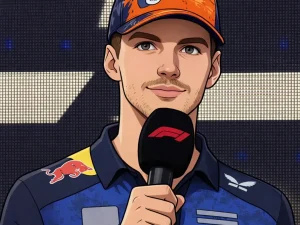
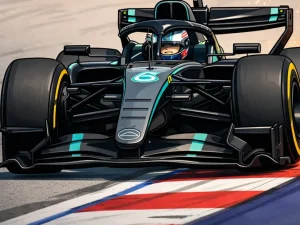
The 2026 regulations have been contentious from the moment they hit the track in anger this season. Even among a fanbase accustomed to grand promises about “better racing” and “closer competition”, the response has been lukewarm. Drivers have been blunter. Max Verstappen, now a four-time world champion and rarely shy about calling out what he doesn’t like, labelled the new cars “anti-racing” during pre-season testing — a line that landed because plenty of his peers privately shared the sentiment.
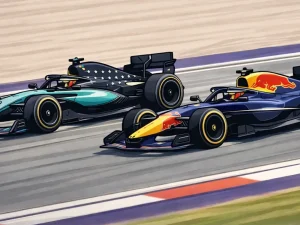
What’s changed in recent weeks is that criticism has started to attach itself to specific, measurable consequences rather than broad philosophy. Oliver Bearman’s high-speed accident in Japan prompted the FIA to acknowledge that increased closing speeds in the 2026 cars were a contributing factor. That’s the sort of admission that tends to accelerate action: nobody wants a season-long debate about whether the rules are “good” or “bad” if there’s also a safety angle running through it.
The FIA’s statement after Thursday’s meeting leaned into that pragmatic framing: this is the “natural evolution” of a technical and sporting package, informed by real-world data from the opening rounds. But the key line was the one about energy management. That has been the pressure point from day one — not because teams don’t understand it, but because how it plays out across a lap has an outsized impact on whether drivers can actually race each other without falling into odd lift-and-coast patterns, awkward deployment windows, and situations where a car that’s faster on merit can still find itself strategically handcuffed.
That’s the tightrope the FIA is now trying to walk: adjusting the system enough to improve the spectacle and reduce unintended consequences, without detonating the competitive order or undermining the credibility of a ruleset that was, in its own words, “developed and agreed in close partnership” with teams, OEMs, the commercial rights holder, and the FIA itself.
There’s also the political subtext. When a governing body emphasises collaboration and repeats that “all parties” had a seat at the table, it’s usually because the finger-pointing has already started behind closed doors. The risk for the FIA isn’t simply that the 2026 cars become unpopular; it’s that the sport drifts into a familiar blame game where everyone supported the concept until the moment it wasn’t working for them.
That’s why the structure of these April meetings matters as much as the outcome. The FIA is sequencing this carefully: technical people first, then the sporting framework, then the senior-level sit-down. It’s essentially a funnel designed to turn a noisy set of complaints into a small number of actionable options that can survive a vote — and survive scrutiny at the FIA World Motor Sport Council, which must approve any regulatory changes.
The timeline is tight, and it has to be. Once a championship rhythm sets in, even sensible mid-season adjustments become harder to land. Teams are less willing to compromise, performance trends become entrenched, and any change — even one aimed at improving racing — gets viewed through the lens of who it helps and who it hurts. Get it done early, with data from the first three races as a shared reference point, and you’ve at least got a chance of keeping the conversation technical rather than tribal.
For now, the FIA is careful not to promise a revolution. It’s talking about “tweaks”, not rewrites. But in F1, “tweaks” to energy management can be anything but minor. Change how and when cars can deploy, harvest, or must conserve, and you change overtaking patterns, qualifying preparation, race strategy, and even how drivers manage tyres. It’s not just a lever — it’s the lever.
The next fortnight will tell us whether this is F1 doing what it often claims it can do — react quickly, intelligently, and collectively — or whether the sport’s stakeholders will find, once again, that agreeing there’s a problem is much easier than agreeing on the fix.