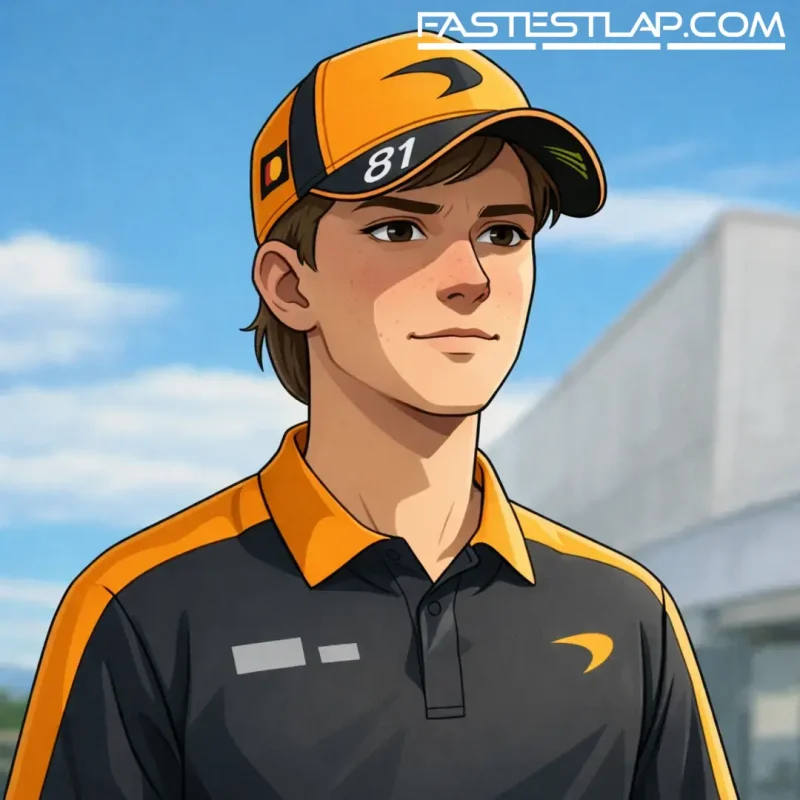
Oscar Piastri’s first points of 2026 came with a Suzuka podium, but the McLaren driver isn’t pretending that result means the sport’s new-era cars are already where they need to be.
With the FIA, Formula 1 and the teams due back around the table again on Monday to review the opening phase of the new regulations, Piastri has added his voice to a growing paddock push for the 2026 machinery to become calmer and more predictable — particularly when the powertrain delivery isn’t doing what the driver expects.
The early weeks of this rules cycle have produced the familiar split: some drivers like the novelty and the extra workload, others sound unconvinced that the racing product is improving quickly enough. Piastri sits somewhere in the middle. He’s not against the scale of the change — if anything, he acknowledges it was always going to feel alien with chassis and power unit regulations being overhauled together — but he’s clear about what still isn’t right.
“Overall, these cars are very different to anything I have driven before, but we’ve known this would be the case since the new regulations were shared,” Piastri said via McLaren’s official channels.
“It being so different is a new challenge for us as drivers, which isn’t a bad thing.”
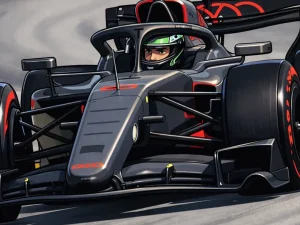
The problem, as he describes it, is that the novelty comes with sharp edges. One of the intended characteristics of the 2026 cars — lighter, shorter and narrower than 2025 — has delivered what you’d expect in certain parts of the lap. Piastri says they can feel more agile, even “nicer” in lower-speed corners, because there’s simply less car to manhandle.
But that benefit still gets mugged by the same old enemy when you’re in traffic.
“The challenges around dirty air still stand and neutralise some of those benefits, as following is still an issue,” he said.
That line will land with anyone who’s watched the first part of this season closely. Even with the refreshed concept, drivers are still talking about how quickly the car loses confidence when it gets into the wake of another, and how that forces them into compromise — either dropping back to protect the tyres and systems, or taking bigger risks to stay attached.
Where Piastri’s comments get more pointed is on the way the power arrives. The 2026 cars have put a bigger management burden on the driver, and Piastri openly frames that as a tactical layer you can live with — but only if the behaviour is consistent.
“There is also a lot more to think about in the car as a driver,” he explained. “You also have to think more tactically around quite a few things, especially on the power management side.
“These cars are also more unpredictable. You’ll have seen we often get spikes of power which makes these cars do unexpected things.”
It’s a revealing choice of words: “spikes” and “unexpected” are not just complaints about complexity, they’re red flags in a grid that’s trying to understand the limits of a brand-new platform. A driver can adapt to extra switches and strategy. Adapting to something that sometimes behaves differently in the same corner, in the same mode, is where confidence — and margins — start disappearing.
Piastri hinted that this isn’t an isolated gripe, either. He referenced incidents across the season so far that have sharpened the focus on what needs attention, without turning it into a political statement. The tone is pragmatic: the sport has made a huge leap, now it needs to sand down the parts that could undermine racing and safety.
“This is just one area of quite a few that needs to be looked at and changed in the imminent future,” he said. “I know we are working closely with the FIA, F1 and other teams to ensure these things are being looked at to ensure safe, but fun and exciting racing for everyone.”
That collaborative language matters, because the next step isn’t a driver-led wish list — it’s a negotiation. The teams have their own interests, the FIA has its safety and cost frameworks, and FOM ultimately cares about the show. Yet the fact another meeting has been scheduled so early in the regulations’ lifespan tells you the sport is treating this as more than background noise.
For McLaren, Piastri’s Suzuka result offered a timely reminder that the driver-team combination can still thrive amid the uncertainty. It was his first start of the season, and he turned it into his first points with a podium — the sort of weekend that can steady a campaign that hasn’t begun smoothly.
But the bigger takeaway from his comments is that a podium doesn’t stop a driver from noticing what’s wrong. If anything, it gives him a clearer view of the difference between extracting performance in clean air and trying to race when the car’s balance, aero and power delivery start moving around underneath him.
The 2026 cars were always going to demand adaptation. What Piastri is asking for now isn’t a rollback — it’s a version of this new formula that behaves in a way a driver can trust when they’re right on the limit, right behind another car, with the outcome of a race hinging on whether the power arrives smoothly or in a surge.