Miami was always going to feel like a line in the sand this year, but Formula 1 has quietly made it literal: Friday’s opening practice at the Miami Grand Prix has been stretched to 90 minutes, giving teams a little more breathing room as the 2026 season hits another regulation pivot point.
That extra half-hour might not sound like much in a sport that plans its weekends to the minute, yet it lands at a moment when everyone is trying to separate real performance from noise. The paddock has been pointing at this race as a kind of “reset” after a long calendar gap, with several teams hinting at meaningful update packages and a set of rule changes designed to make the on-track product — and the driving experience — feel less contrived.
Martin Brundle’s read is that Miami could play like a “relaunch” rather than a straightforward continuation. That’s not hyperbole. We’ve seen enough seasons where the first flyaways are one version of the pecking order and the first major development wave is quite another, and the framing around Miami suggests teams expect the cars to look and behave noticeably differently from here.
The rule tweaks themselves are being sold internally as a way to restore a more “natural” rhythm behind the wheel and, crucially, reduce the kind of extreme closing speeds that can pop up when cars are arriving at corners with very different energy profiles. McLaren performance technical director Mark Temple has been among those explaining how the changes should work in practice — with a particular nod to easing the lift-and-coast compromises that had started to creep into qualifying. In other words, the sport is trying to nudge drivers back towards pushing laps that feel like pushing laps, not carefully managed energy audits.
Behind the scenes, the bigger 2026 argument remains the same one that’s been simmering since these power unit rules were signed off: how much of the lap should be dominated by the electrical side versus the internal combustion engine. FIA single-seater director Nikolas Tombazis has confirmed that a proposal to reduce electrical deployment from 350kW to 200kW was floated and then rejected by stakeholders last year.
That matters now because the championship is already dealing with “early issues” associated with the new regulations, and the temptation in any ruleset is to reach for the blunt instrument: cut the complicated bit, let the simpler bit do more of the work, and hope the edge cases go away. The teams and manufacturers weren’t interested. They didn’t just say no; they effectively drew a line under the idea of backpedalling on electrification before the concept has even settled.
So instead of rewriting the philosophy midstream, the FIA is looking at measures to address the problems without changing the headline numbers. It’s a very 2026 kind of compromise: tweak the edges, protect the centre.
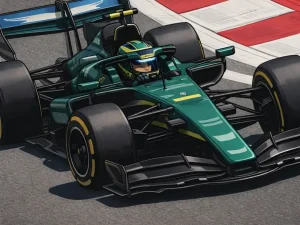
One place those edge-case problems are being felt is Aston Martin, where early-season vibration has been a recurring theme. Honda chief engineer Shintaro Orihara revealed the manufacturer took an Aston Martin AMR26 chassis back to Sakura for static testing after the Japanese Grand Prix — the sort of co-operative troubleshooting that sounds mundane until you remember how rarely teams and engine partners speak this openly about the practicalities.
Orihara was careful to lower expectations on any big step in outright power unit performance arriving in Miami, but said Honda has worked up further countermeasures aimed at improving what the drivers are feeling through the car. Vibration is one of those issues that can poison everything: confidence under braking, tyre management, even the team’s ability to read what a setup change actually did. Fixing it doesn’t just improve comfort — it can unlock development because suddenly the feedback loop becomes trustworthy again.
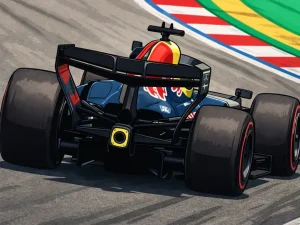
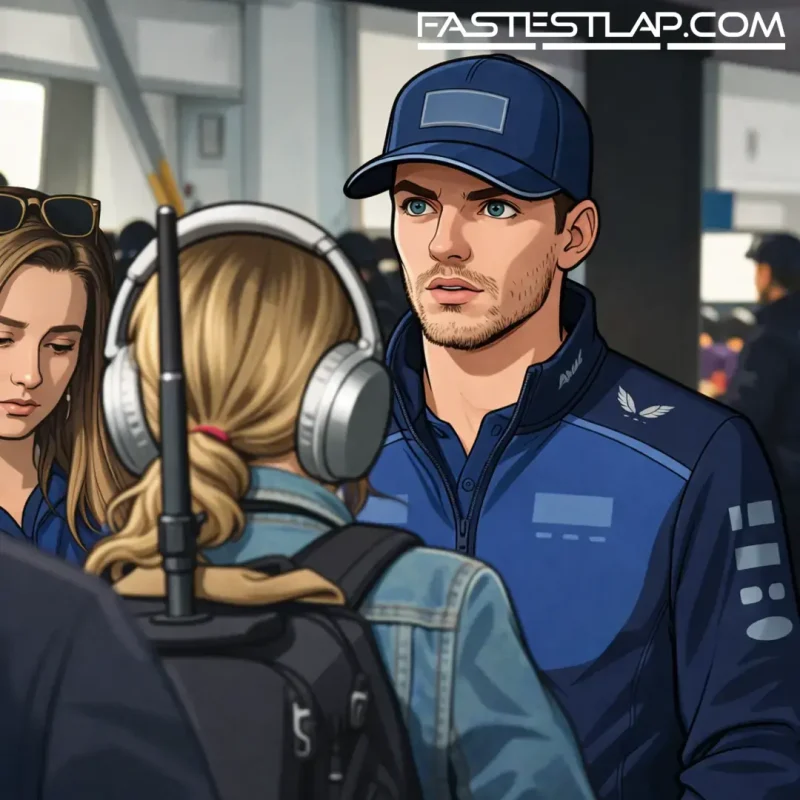
And while the technical storylines are tightening the vice, the human ones haven’t gone away. Gianpiero Lambiase’s impending departure from Red Bull has inevitably triggered the next question: what does it mean for Max Verstappen? Riccardo Patrese has suggested Verstappen could follow his long-time race engineer out of the team, pointing to how central that relationship has been since Verstappen’s first race in Red Bull colours.
It’s easy to dismiss those comments as retired-driver conjecture, but it underlines a truth teams sometimes forget in the obsession with structures and sim correlation: some partnerships genuinely change the performance ceiling. Verstappen and Lambiase have functioned like a calibrated instrument — not always harmonious on the radio, but relentlessly aligned on what the car needs and how to win with it. When that changes, it creates a period of uncertainty even in the most stable environments, and rivals will be watching for any wobble they can exploit.
Miami, then, arrives with a slightly unusual mix of urgency and ambiguity. The sport is giving teams more track time on Friday, reshaping the rules to influence how cars are driven in anger, and resisting the simplest power-unit “fix” despite acknowledgement that not everything is smooth yet. Add in a major driver-engineer split looming on the horizon and a manufacturer already deep in diagnostic mode with one of its flagship teams, and you start to see why this weekend is being talked up as more than just another stop on the calendar.
If Brundle is right and we’re about to see a genuine “relaunch”, the first clues won’t necessarily be found on the timing screens. They’ll be in the detail: how hard drivers can push on a single lap without playing games, whether the updated cars behave consistently over a stint, and which teams leave Miami believing they finally understand what 2026 is asking of them.