Bottas and Pérez set to anchor Cadillac’s 2026 F1 launch — and here’s why Alpine missed out
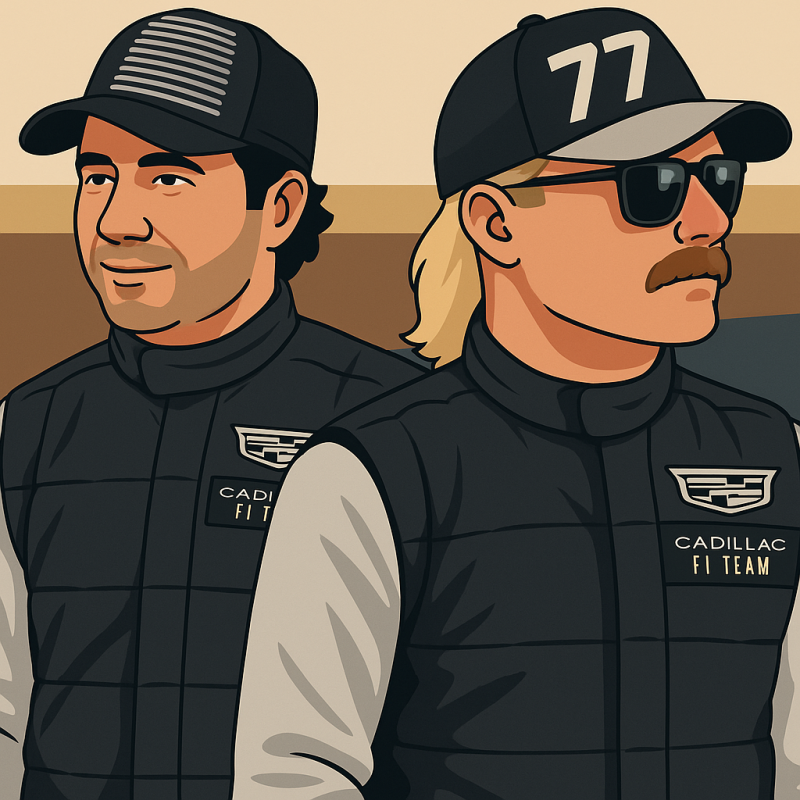
Valtteri Bottas and Sergio Pérez are closing on deals to lead Cadillac’s entry onto the 2026 Formula 1 grid, a move that would reunite two seasoned operators who sat out 2025 with a clean-sheet project under Graeme Lowdon. Formal confirmation is understood to be imminent.
Both drivers slipped off the board at the end of 2024—Bottas edged out as Sauber reshaped its roster, Pérez bought out as Red Bull pivoted for 2025—but neither filed the retirement papers. Bottas kept his eye in as Mercedes’ reserve this season. Pérez unplugged, reset his management, and kept his powder dry. Now, with Cadillac preparing its debut, the pair look set to bring a combined decade-plus of front-running experience to an 11th team.
Why not Alpine? The Enstone outfit has circled both names in recent months as it wrestles with its second seat alongside Pierre Gasly. Flavio Briatore’s conversations about Bottas were no secret in the paddock, and Pérez was also linked. But a mid-season jump never made much sense for either: the current Alpine hasn’t been a regular scorer, and parachuting into a ground-effect car without the benefit of winter mileage is exactly how reputations get sanded down.
The 2026 pitch is more nuanced. Alpine is expected to run Mercedes power when the new regulations land—a potentially persuasive lure—and there’s respectable confidence in its aero group. On paper, that’s a shorter road to points than joining a first-year operation.
Yet Bottas and Pérez aren’t 20-year-olds hunting a shop window. They’ve done the title fights, they’ve done the pressure cookers. What Cadillac offers is stability and authorship: a factory-backed build, a smaller team environment, and, crucially, the likelihood of multi-year security rather than a season-long audition. Even if Cadillac starts with a customer engine before General Motors’ own power unit project matures later in the decade, the trajectory is clear. The expectations curve will be gentle at first, then rise as the team and drivers sharpen together.
Contrast that with Alpine’s churn. New faces in management, a stop-start approach to its second seat, and a recent history that leaves drivers feeling one result from a review. For veterans looking to commit, the safer bet is the one with a single, coherent plan.
If—when—the Cadillac deals drop, Lowdon gets exactly what a new entrant needs: two drivers who won’t flinch, won’t fluster, and will lead the build. Alpine won’t be short of options for 2026, from its own pipeline to the usual market movers. But the marquee free agents appear to have chosen the long game. And it’s hard to argue with that.