Carlos Sainz doesn’t do “everything’s fine” very well, and Williams probably doesn’t need him to. The Spaniard left Silverstone sounding less like a driver venting after a bad Sunday and more like someone spotting a structural problem early enough to stop it becoming a season-long habit.
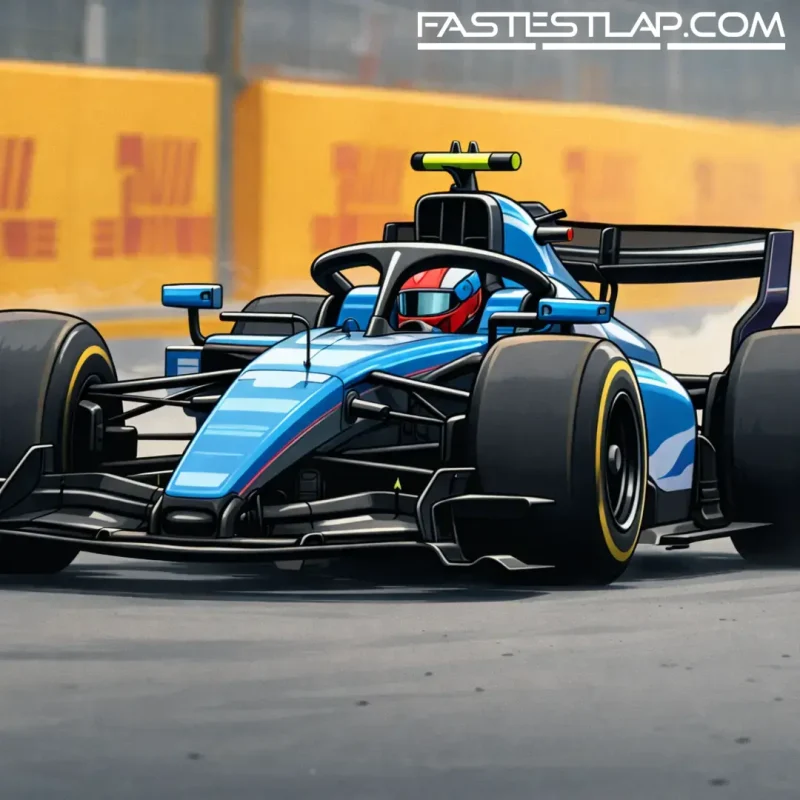
The trigger was Williams’ latest attempt to unstick the FW48’s trajectory: a new front wing introduced at the British Grand Prix, aimed at halting a slide toward the rear of the midfield. Qualifying offered a flicker of encouragement — both Sainz and Alex Albon reached Q2 for the first time since Monaco — but the race itself just underlined the broader worry. Sainz extended a points drought to four grands prix, then had to swallow an especially unusual post-race gut punch: a one-lap penalty from the FIA after confusion inside the team during a late Safety Car period.
That kind of operational mess is irritating in isolation. Paired with a car that’s not responding to development the way the numbers promised, it becomes something else entirely.
Sainz didn’t bother dressing it up when he spoke afterwards. The pattern, he said, is becoming hard to ignore: upgrades arrive, expectations rise, and the lap time doesn’t.
“It starts to be a bad trend this year that we don’t seem to really find a lot of lap time when the upgrades are coming,” Sainz said. “We need to have a good sit down now this week, analyse what’s happening.”
There was a particularly telling line in his assessment, too — Williams has “shed a lot of weight out of the car” already, yet the gap to the front is growing and the gap to the wrong end of the midfield is growing as well. In other words, they’re ticking off obvious performance items without seeing the compound benefit that should follow. If you’re stripping mass out and still watching relative pace drift away, you’re left asking whether the platform is simply too inconsistent to exploit, or whether the development direction is missing the target.
Sainz’s mood was exactly what you’d expect from a driver who feels he’s doing the hard bit well — those first laps, the starts, the positioning — only to spend the second half of races being picked off. “No-one likes getting overtaken,” he admitted, “especially after so many good starts that we’re doing this year… because dropping back has been a pattern this season.”
He was candid enough to call himself “worried”, and blunt enough to frame the situation as “serious issues with developing this car”. Yet he also made a point of saying he’d be back at the factory with energy to help dig out the causes. It didn’t read like a threat; it read like a driver trying to force urgency into a team that can’t afford to sleepwalk into August.
Williams team principal James Vowles has effectively agreed with the premise: the rate of performance being added to the FW48 isn’t good enough. And, crucially, he’s sanctioned the deeper review Sainz asked for — not just of what arrived at Silverstone, but of the entire season’s development cycle.
“What’s clear is our rate of bringing performance to the car… is not at the rate required in order for us to move forward,” Vowles said.
In Vowles’ telling, this is an evidence-gathering exercise as much as a fix: Silverstone is one data point, but so are the upgrades that looked fine on paper and didn’t translate at the track, and the weekends where expectations didn’t match the stopwatch. He expects the evaluation window to be tight — around two weeks — and that timeline matters because the next set of choices will define not only Spa and Budapest, but how the rest of 2026 is rationed against what comes next.
That’s the subtext here: Williams can’t just keep bolting parts on and hoping. Under the 2026 rules landscape, everyone is learning fast, but not everyone can afford to learn expensively. A mid-season development review is a tacit admission that something in the chain — correlation, manufacturing, trackside understanding, even the way upgrades are being tested and signed off — isn’t giving them reliable returns.
Vowles tried to normalise the process, describing it as “business as usual” in a sport built on bringing parts “that didn’t exist previously.” That’s true as far as it goes — every team has upgrades that don’t land — but the difference is in frequency and consequence. For Williams, the concern isn’t a single misfire; it’s the trend line Sainz is pointing at, where even when the team executes the visible steps (like weight reduction), the car’s competitive position doesn’t stabilise.
Still, Vowles insisted Williams has “a very good culture of openness, learning and turnaround speed.” If that culture is real — and Williams has been keen to build that reputation under his leadership — this is the moment it needs to show itself. Not with slogans, but with a clear diagnosis and a decision on whether the FW48’s current direction is worth doubling down on or needs a course correction.
The timing is awkward, too. Williams heads to the Belgian Grand Prix eighth in the Constructors’ Championship with 11 points. That’s not catastrophic, but it’s close enough to the midfield churn that a handful of poor weekends can quickly harden into a narrative — and a points deficit — that’s difficult to reverse.
For Sainz, the frustration is obvious, but so is the intent: he’s not asking for miracles, just evidence that the team understands why the parts aren’t buying lap time. For Williams, the review is now more than a technical audit. It’s a credibility test — with its driver, and with itself — before the season slips from “in progress” to “gone.”