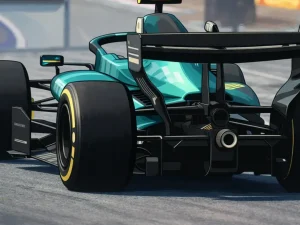
Fernando Alonso isn’t chasing approval from the algorithm generation. He’s chasing lap time.
Asked whether newer fans—many raised on Drive to Survive—can picture him back on the top step after a 12-year wait, the two-time champion gave a typically clear-eyed answer: nice as the noise is, it’s not what moves the needle inside a garage.
There’s no single fix for this, Alonso said, and no narrative that explains away the sport’s brutal arithmetic. The 32-time grand prix winner, still hunting that first victory since 2013, made the point that the only opinions that matter are the ones in the briefing room. “We try to win races, work with the team, deliver performance,” was the crux. Fans are loved, but not the priority. Results are built in the simulator, in the debriefs, in the hundreds of tiny decisions that never make a montage.
It came in the context of Hollywood’s new F1 film, with Brad Pitt’s Sonny Hayes playing the battle-scarred veteran. Could life imitate art for Alonso or for Nico Hülkenberg, who finally stood on an F1 podium at Silverstone last summer? Maybe—if the car allows. And that’s the inconvenient truth both men kept circling back to.
From Alonso’s perspective, if next year’s machinery suddenly vaults him into contention and he reels off wins, some will assume he discovered a magic winter potion. The reality, he argued, is far less romantic: drivers are on the grind year-round. Train, travel, sim, repeat. If the car becomes a race winner, it’s not because the driver learned how to drive over Christmas. It’s because the package did.
Hülkenberg, who knows a thing or two about waiting for the stars to align, backed that up with a shrug only a veteran can pull off. Results are circumstantial, he said—car performance, execution, a weekend that breaks your way. Silverstone went his way; the next one might not. The job is to maximise what’s in your hands and stop worrying about what isn’t.
Neither man was dismissing the crowd. They’ve both been around long enough to understand the power of a grandstand in full voice. But there was an important recalibration in their comments. F1 is decided by engineering pace and operational excellence first, narrative second. If Alonso ends the drought, or if Hülkenberg returns to the rostrum, it’ll be because someone in green or in the Hinwil factory found speed—then the drivers did what they’ve always done.
Hearts and hashtags are great. Horsepower and downforce still write the endings.