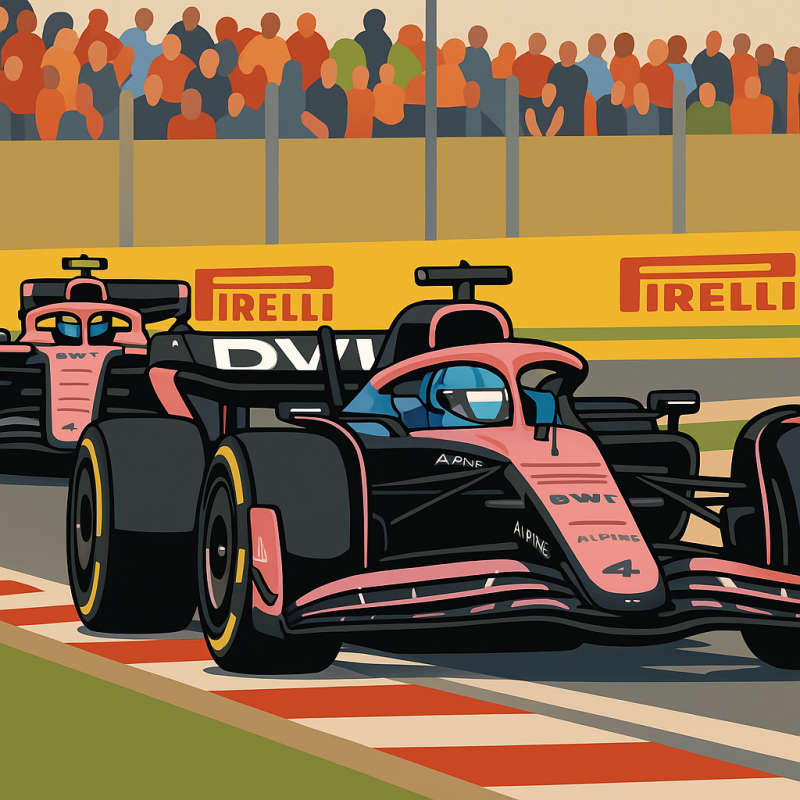
Gasly blunt on Alpine’s 2025: “Car’s frozen, eyes on ’26 — that’s where Steve matters”
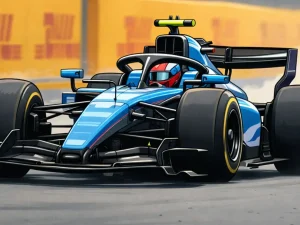
Pierre Gasly isn’t sugar-coating Alpine’s reality. The A525 has barely moved since Barcelona, and it won’t between now and Abu Dhabi. The cavalry, in the form of Steve Nielsen, arrives in September — but the Frenchman says any impact will be felt when the sport flips to 2026, not in the next nine races.
Alpine’s year has been messy on and off the track. The Renault-owned squad sits 10th in the Constructors’ standings, after a bruising first half that included a mid-season driver switch — Jack Doohan out, Franco Colapinto in after Miami — and yet another leadership jolt with team principal Oliver Oakes departing. Flavio Briatore has been steering the operation in an overarching role since, and now Nielsen is set to step in from FOM to take a senior position back at Enstone.
“Since Barcelona the car’s basically been locked,” Gasly said, explaining why expectations are being recalibrated. “Steve joins in September, but what he brings is going to be for 2026 and beyond. That’s the focus. I’m confident in the work that’s happening for next year.”
It’s a hard sell for fans watching Alpine slog through Sundays. But the team has already bet big on the reset. From 2026, Alpine will ditch its factory Renault power unit and run customer Mercedes engines, effectively shuttering its Viry engine programme to redirect resources. The current Renault V6 has been regarded as down on power at times, and the packaging compromises it forced on the chassis haven’t helped. Swapping to a proven customer unit — and the cost saving that comes with it — is meant to clean the slate as the new aero/PU rules land.
Gasly, for his part, is pragmatic about the toll that approach has taken this year. With the midfield compressed and development tokens spent elsewhere, he doesn’t see the order shifting much before the chequered flag drops on 2025.
“This is what we’ve got,” he said. “It’s not that people at the track or in the factory aren’t delivering — the margins are tiny and we didn’t put enough performance on the car to fight higher up. Whether you end up eighth, ninth or 10th, you’re still fighting for very little. If that trade gives us a car that can go for podiums or wins next season, I’ll take it.”
Nielsen’s arrival is designed to tighten the bolts across the operation. A veteran of race operations and sporting governance, he’s expected to bring sharper structures and decision-making to Enstone. The immediate battlefield is less about bolt-on downforce and more about execution — clean weekends, strategy calls, pit stops — while the big-ticket item is integrating the 2026 Mercedes PU cleanly into Alpine’s next-generation chassis.
After a churning year of driver rotation and boardroom musical chairs, that sort of steadiness is overdue. The job list for the remainder of 2025 is straightforward if uninspiring: extract what the current car can give, bank whatever points drift within reach, and feed the design office every scrap of learning for the 2026 project.
Gasly sounds sold on the plan. Whether it pays off is another story, and one the sport loves to tell on a two-year delay. But in a season where Alpine’s on-track prospects are nailed to the floor, the only productive direction is forward — and the clock has already flipped to ’26.