Kai Ebel, the vibrant German TV broadcaster known for his colourful presence in the Formula 1 paddock, has voiced his concerns over Formula 1’s direction under its current ownership. According to Ebel, there’s an excess of “experimenting too much” with the sport’s weekend schedule, which he believes detracts from its traditional essence. This observation comes as Ebel rejoins the F1 world, thanks to RTL’s new broadcasting partnership with Sky Deutschland that brings select grands prix to German free-to-air television.
“The fact that they’re experimenting too much,” he said when asked what his major problem is with Liberty Media’s new regime. “They are even changing the broadcast times in order to create artificial tension, which I think is over the top. Liberty Media has achieved a lot, but somewhere, a bit of Formula 1’s DNA is being taken away. It’s becoming like a popcorn cinema,” Ebel expressed, showing his dismay at the modifications introduced, aiming for heightened drama at the expense of the sport’s core attributes.
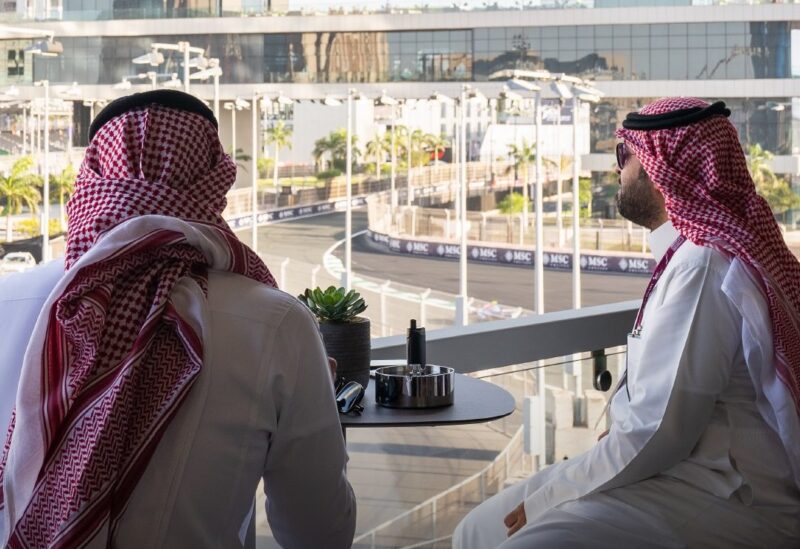
The initial grands prix of the season in Bahrain and Saudi Arabia shifted from their conventional Sunday slots to Saturday, officially attributed to the observance of Ramadan. However, Prince Khalid bin Sultan Al-Faisal Al-Saud, head of the Saudi automobile federation, revealed an alternative inspiration: the success of the Las Vegas Grand Prix held on a Saturday. This led to the proposition of similarly scheduling the 2024 races, impacting the Bahrain GP to accommodate the necessary week-long interval between events.
“The idea actually came to us last year from the Las Vegas GP, which took place on a Saturday,” he admitted to La Gazzetta dello Sport. “So when the 2024 calendar was taking shape, we put forward the proposal. Consequently, given that it is mandatory to leave a week between one race and another, Bahrain GP was also held on Saturday.”
Ebel’s discomfort isn’t limited to schedule changes; he’s equally concerned with the frequent adjustments to racing regulations, arguing that their complexity already poses challenges for viewers. “The rules are already complicated enough,” he observed, highlighting the importance of stability for educating the audience effectively.
“The viewer often doesn’t even notice this, but you have to teach them little by little. But that only works well if you don’t constantly keep changing things.”
Interview experiences with drivers like Max Verstappen and Lewis Hamilton further illustrate the varied personality landscape within F1, Ebel said. He finds Max Verstappen to be consistently “good, always funny. Very authentic. He says what he thinks,” making for straightforward interviews. On the other hand, Lewis Hamilton can be unpredictable, embodying “a diva” persona depending on his mood, ranging from engaging to dismissive. Ebel, however, maintains a professional approach, ensuring his questions always remain respectful, regardless of the responses they elicit.
“When he’s not in a good mood, he quickly becomes very monosyllabic or breaks off the conversation,” said Ebel. “But the way I see it is that if you give it out, you also have to be able to take it.”
GMM