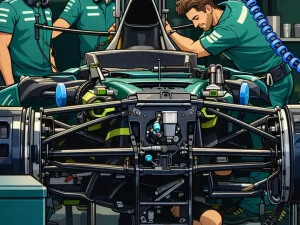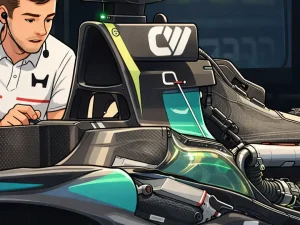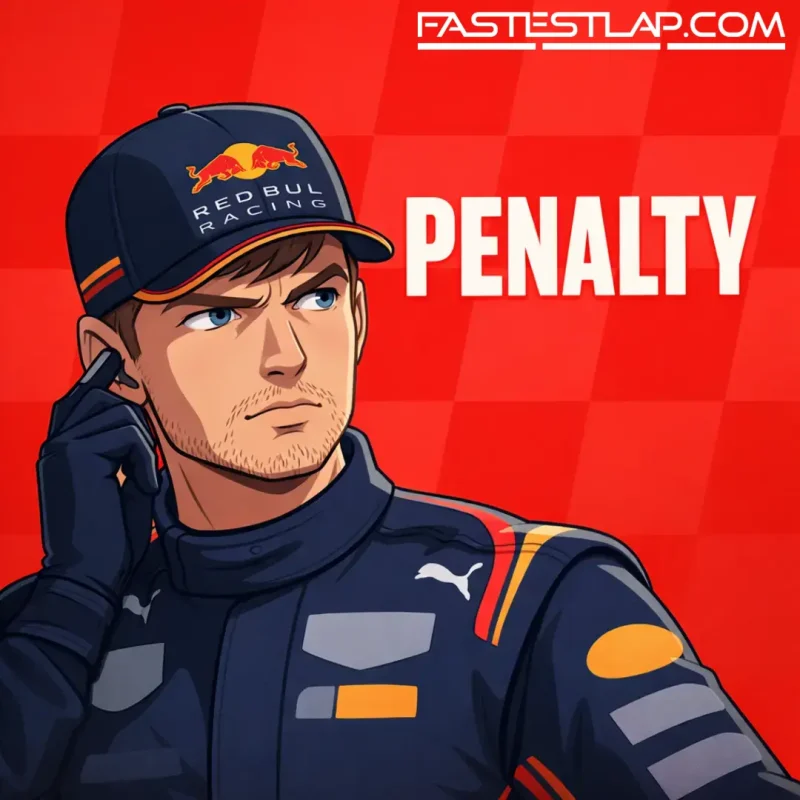
Spa has a habit of turning small problems into expensive weekends, and the paddock arrived in the Ardennes with two storylines that are already bleeding into each other: McLaren managing its own success, and Red Bull trying to stop a performance wobble becoming a full-blown crisis.
On paper, McLaren should be in the box seat again. In practice, Lando Norris is walking into the Belgian Grand Prix with a self-inflicted complication: the team has confirmed he’ll take a fourth power electronics system, which automatically brings a 10-place grid penalty. The FIA is expected to rubber-stamp it on Friday, but there’s no mystery here — it’s a straight regulation trigger, and it lands at a circuit where you can recover… until you can’t.
Spa is one of the few venues where a faster car can make a penalty look manageable. Long straights, heavy braking zones, weather that can scramble any neat plan — if you’ve got genuine pace, you can often punch through. But a 10-place drop also changes what you can afford to do in a weekend like this. It forces you into compromise: what you prioritise in qualifying, how aggressive you are with set-up, and how much risk you accept when the midfield inevitably becomes your first-lap traffic jam. McLaren will insist it’s a calculated hit for reliability and season-long housekeeping, yet it still hands everyone else an opening.
That “everyone else” includes Max Verstappen, who has arrived at Spa with an entirely different sort of pressure attached — one that has nothing to do with grid penalties and everything to do with politics.
Verstappen has refused to commit his future to Red Bull amid growing speculation he could end up at McLaren. The chatter has been loud enough that it’s stopped being background noise; it’s now a question that keeps getting put to the driver, and he’s not swatting it away with the kind of certainty Red Bull would prefer. PlanetF1 reported Verstappen is in advanced talks with McLaren, and Verstappen’s latest line is essentially that he’ll decide “in due course”.
That’s not an outright threat, but it’s also not the reassurance Red Bull needs at a moment when its car story has taken a worrying turn.
Red Bull, it’s emerged, has reverted to a previous-spec rear wing for Belgium after what’s been described as an airflow reattachment issue — a technical gremlin that has had very real consequences. Verstappen’s accidents at the Red Bull Ring and Silverstone have been linked to the problem, and he did not mince his words after spinning out of the British Grand Prix, calling the situation “super dangerous”. For a team built on relentless iteration, “we’ve gone back to an older part” is the sort of sentence that tells you a development path has hit turbulence.
It also adds context to why Verstappen’s mood around the team feels less settled than it once did. Drivers don’t make career-defining decisions off one component, but they do read trajectories — and the last fortnight has sounded like Red Bull putting out fires rather than lighting new ones.
Over at McLaren, the Verstappen noise inevitably lands on Oscar Piastri’s doorstep, because that’s how this game works. Piastri says he’s “very comfortable” with where he stands, citing assurances from CEO Zak Brown and team principal Andrea Stella. He also offered his own reading of the Verstappen situation: that Verstappen is “exploring options” with Red Bull “not in a great position.”
It’s a pointed line, and it speaks to the reality inside top teams: drivers notice when a rival organisation starts looking reactive. Piastri, for his part, is widely viewed as the one who would be most exposed if McLaren really did decide Verstappen is too good a market opportunity to ignore. Yet his public posture is calm — the kind of calm you project when you believe your results and internal standing give you leverage, or when you’ve been told enough behind closed doors to hold your nerve.
McLaren now has two simultaneous tasks at Spa: limit the damage from Norris’ penalty and keep its driver line-up from becoming a weekly referendum. Those aren’t separate issues. When you’re a title-contending team, every operational decision — including when and where to take component penalties — gets read through a wider lens. Rivals will say McLaren is juggling more than just lap time; McLaren will argue it’s simply acting like a front-running team should.
And Verstappen? He’s also made a move this week, though not in the way most people are obsessing over. At Spa he confirmed the signing of 15-year-old Dries van Langendonck — a McLaren junior who currently leads the British F4 championship — to his Verstappen Racing operation. Van Langendonck remains attached to McLaren, with Verstappen’s set-up providing “additional support and guidance” to the Belgian teenager.
It’s an interesting little detail in the broader chessboard: Verstappen, whose own next step is being dissected daily, is simultaneously building out his off-track footprint and investing in talent pathways. It doesn’t confirm anything about his F1 future, but it does underline a familiar theme — Verstappen likes control, and he likes options.
By Friday night at Spa, Norris will have an official penalty sheet next to his name, Red Bull will have a clearer read on whether that rear-wing step back stabilises the car, and the Verstappen questions will keep circling until someone finally answers them with something firmer than “we’ll see.”
In other words: it’s Belgium. The track will do what it always does — expose weak points, reward conviction, and punish anyone who arrives thinking the weekend will stick to the script.