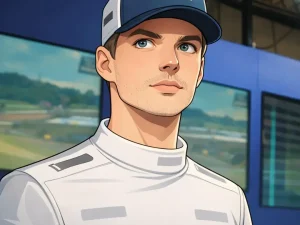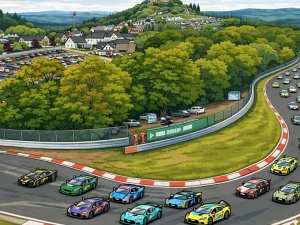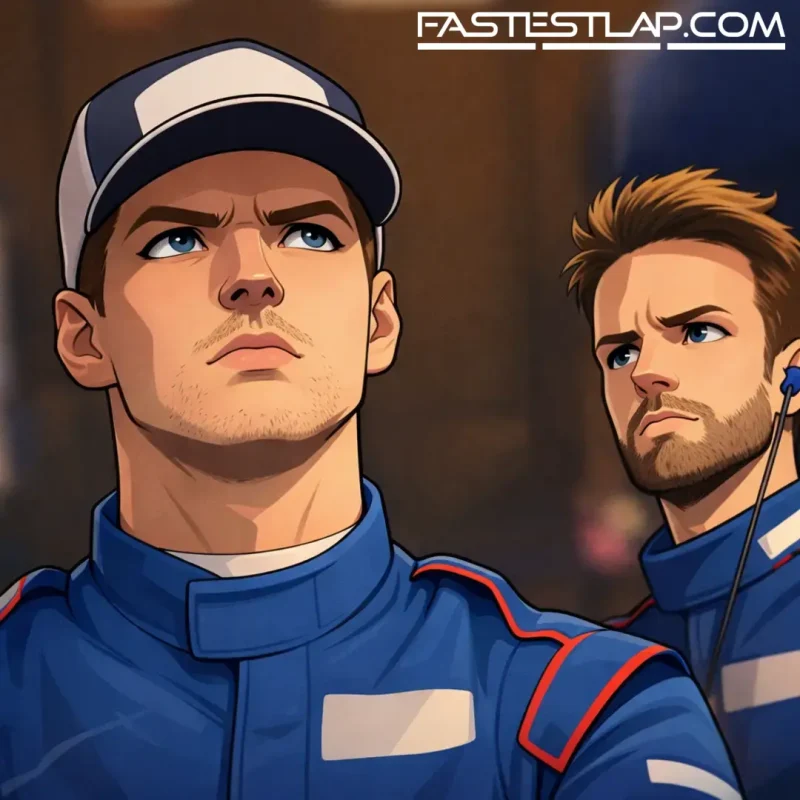
Max Verstappen doesn’t do melodrama, even when the Nürburgring serves up the kind of gut-punch it’s famous for. But the message he left under Jules Gounon’s post after the chequered flag — “We will be back” — carried the unmistakable tone of a job unfinished.
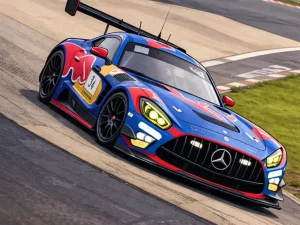
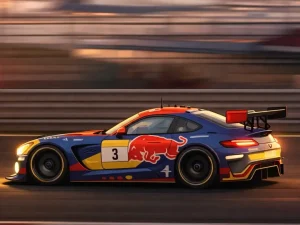
Verstappen’s first crack at the Nürburgring 24 Hours had been shaping into one of those rare, tidy endurance weekends: quick, controlled, and built on the kind of incremental gains that usually decide this race long before Sunday afternoon. Sharing the #3 Verstappen Racing Mercedes-AMG GT3 with Gounon, Lucas Auer and Daniel Juncadella, the Formula 1 world champion looked immediately at home in the rhythm of the event, the traffic management, and the relentless demand to be fast without being greedy.
By Sunday morning, it wasn’t just a “nice debut”. It was a proper win bid. After Verstappen’s final stint, the #3 had edged clear — around 45 seconds in front — the sort of margin that doesn’t make you comfortable at the Nordschleife, but at least gives you options.
Then it snapped.
Not in the way the Nürburgring usually bites — a clipped kerb, a mistimed pass in the fog, a wrong call when the rain rolls across one side of the circuit. This time it was mechanical: a driveshaft problem, arriving shortly after Juncadella climbed aboard. In endurance racing, there’s a specific cruelty to failures like that. You can see the pace in the car, you can see the work that’s gone in, and you can’t out-drive a component that’s decided it’s done.
The #3 ultimately ended up classified 38th, a statistic that looks almost absurd against the shape of the race they’d been putting together. Up front, it was another Mercedes that sealed the deal: the #80 crew of Maro Engel, Luca Stolz, Fabian Schiller and Maxime Martin taking victory as the Verstappen entry was left to file away a “what if?” that will sting for a while.
Gounon didn’t try to dress it up afterwards. His Instagram post read like someone still processing the emotional whiplash that endurance racing specialises in — the long hours of doing everything right, followed by one small line in a data trace that takes the whole thing away.
“The word heartbroken probably doesn’t even come close to what we feel right now,” he wrote. “We were doing everything right with Max, Luggi and Dani, but the Green Hell had other plans… At the end, an issue with three hours remaining took it away from us… Need a little time away to process this one.”
Juncadella, too, framed it as the kind of loss that’s hardest to swallow because it wasn’t chaos that beat them — it was the clock and a part that didn’t make it to the finish.
“The race went so well for us,” he said. “We had a good start, great stints, the decision for rain tyres at the right moment. We had built up a two-minute lead over everyone else. Just a dream race, but unfortunately it was three hours too short and three hours too long for us.”
For Verstappen, though, the most striking part of the weekend might be how quickly he seemed to treat the Nürburgring as a serious competitive outlet rather than a celebrity cameo. Plenty of F1 drivers have dropped into endurance classics over the years; fewer look like they’ve arrived with the patience and discipline the format requires, especially in a race where laptime is only one part of survival.
That’s what will make this one linger. They weren’t hanging on. They weren’t “in the mix”. They had control of the thing, had built a lead, had made the right calls in changing conditions — and then watched the win dissolve without a driver making a mistake.
“We will be back,” Verstappen wrote beneath Gounon’s post, a short line that sounded less like reassurance and more like intent. At the Nürburgring, that’s usually the only way you’re allowed to respond.