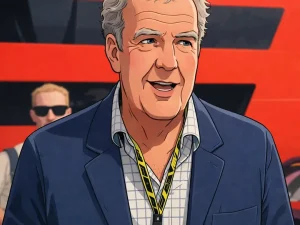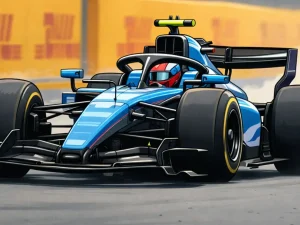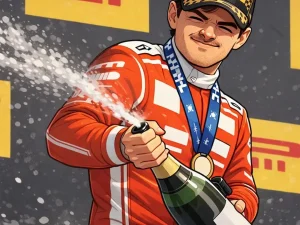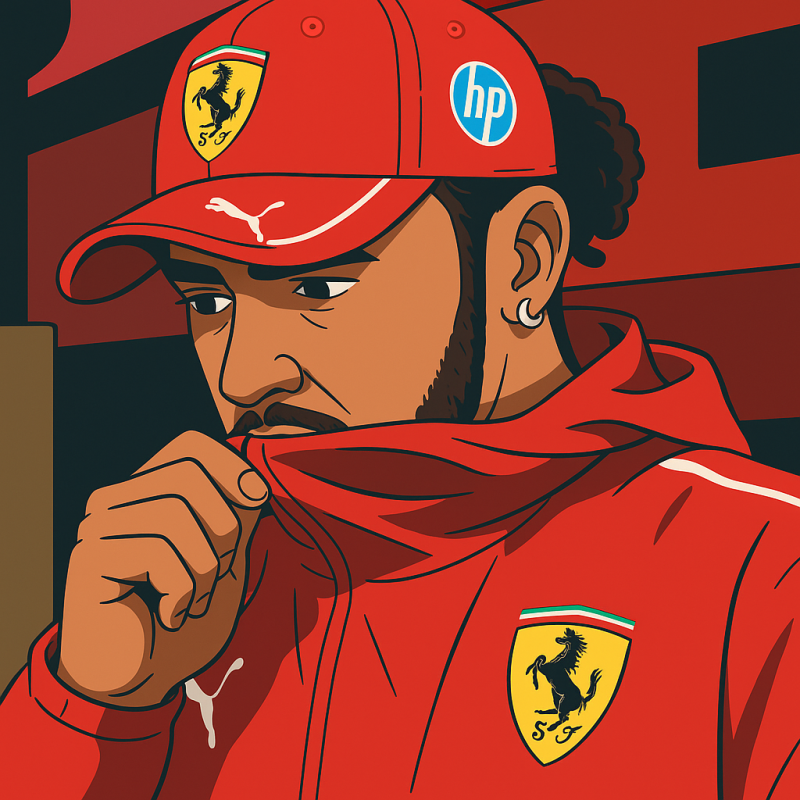
‘Not gelling.’ That was Jacques Villeneuve’s blunt verdict on the Hamilton–Ferrari marriage as the F1 circus hit Zandvoort, the 1997 world champion questioning both the mood and the mechanics inside Maranello’s garage.
Speaking on Sky Sports F1, Villeneuve said Ferrari “aren’t getting what they signed” with Lewis Hamilton and suggested the seven-time champion’s body language and interviews make it look like “he doesn’t want to go to work.” It wasn’t a cheap shot at Hamilton alone, either. Villeneuve cast the net wider, saying the radio dynamic on both sides of the garage feels off, with engineers and drivers “on a different planet.”
On paper, it should have been box office. Ferrari, Formula 1’s most storied team, landing the sport’s winningest driver. In reality, the highlight reel hasn’t arrived. Hamilton is still waiting for his first Ferrari podium, while Charles Leclerc has carried the team’s silverware with five podiums and a statement pole in Hungary. The Constructors’ picture is even harsher: Ferrari trail runaway leaders McLaren by 299 points, and the drivers’ fight has boiled down to Oscar Piastri versus Lando Norris.
So what’s going wrong? Listen closely on Sundays and you hear it: the missing thread between cockpit and pit wall. Hamilton’s exchanges with race engineer Riccardo Adami haven’t sounded like a partnership in rhythm, and Villeneuve believes Leclerc’s side suffers a similar disconnect. Even in a tricky year, you usually hear a bit of us-against-the-world defiance. Instead, it’s all a little flat.
It’s not that Hamilton doesn’t care. But the Hungarian GP provided a rare glimpse of a driver publicly adrift, his comments turning notably downbeat before the break. He arrived at Zandvoort with a firmer tone, drawing a line in the sand, but Villeneuve’s point is that the intangible stuff—the trust, the reflexes, the shared language—still isn’t there.
“He’s not getting the car he wanted,” Villeneuve said on air. “He doesn’t feel the team is behind him. The team doesn’t feel Lewis is with them. It’s not gelling. You can hear it on the radio. There’s no chemistry. And it’s the same with Leclerc.”
Ferrari insiders will tell you that chemistry is earned, not assumed, and often forged in the ugly weekends. That’s the sting in Villeneuve’s follow-up: if the team has already tilted toward 2026, with the new rules promising a reset and Hamilton signed on a multi-year deal that’s widely reported to run to the end of that season, you still can’t fast-forward the relationship-building. The laps you bank now, the decision-making scars you collect now, pay off when the regs flip. You can’t simulate that.
It’s not a question of talent. Hamilton remains operatic in traffic and surgical in the wet. Leclerc is as quick as a switchblade over a lap. But Ferrari’s SF-25 has been twitchy at the wrong moments, and strategy has been more survival than surprise. McLaren, by comparison, are a metronome—operationally clean, upgrades that stick, two drivers extracting a similar ceiling most weekends. That’s how you end up with one orange team running away with it while Ferrari spend Sundays firefighting.
Villeneuve’s delivery was provocative, but he’s poking at a real pressure point. When the vibe sours in Maranello, it echoes. Ferrari is a political organism as much as a race team; the great eras were defined as much by trust and clarity as by horsepower. The current picture—engineers second-guessing, drivers sounding unconvinced—doesn’t read like a camp ready to ambush McLaren in the flyaways.
There’s also the practical matter of radio cadence. The best pairings—think peak Vettel–Rocquelin or Verstappen–Lambiase—talk in shorthand. One word equals three decisions. Hamilton and Adami, and Leclerc with his voice on the other side, are still in full sentences. That can cost you when the weather’s flaky and the Safety Car timing is cruel.
Ferrari won’t publicly concede 2025, but the calendar and the points table do the talking. The bigger play is obvious: steady the environment, sharpen the processes, and get Hamilton’s fingerprints on the 2026 project in a way that’s meaningful, not ceremonial. Villeneuve’s final jab—what’s the point of the “documents” and the long-term plan if the chemistry isn’t there—lands because it cuts past the press releases. You can’t spreadsheet your way to rapport.
The flip side? These things can turn quickly. One clean weekend, one well-timed upgrade, one Saturday where Hamilton or Leclerc nails a lap and the pit wall nails the calls, and suddenly the tone changes. It doesn’t erase a season’s drift, but it stops the questions from getting louder. And right now, the questions at Ferrari are deafening.
Zandvoort didn’t feel like a breakthrough. It felt like another reminder that the dream partnership needs something as old-fashioned as it gets in grand prix racing: a proper driver–engineer handshake. Until Ferrari finds that heartbeat, Villeneuve won’t be the last to say what many in the paddock are whispering.