Saturday notebook: Ricciardo’s next chapter, Cadillac’s engineer picks, Ferrari mulls Hamilton switch, and a Rosberg time capsule
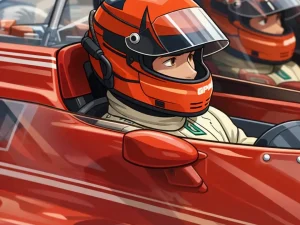
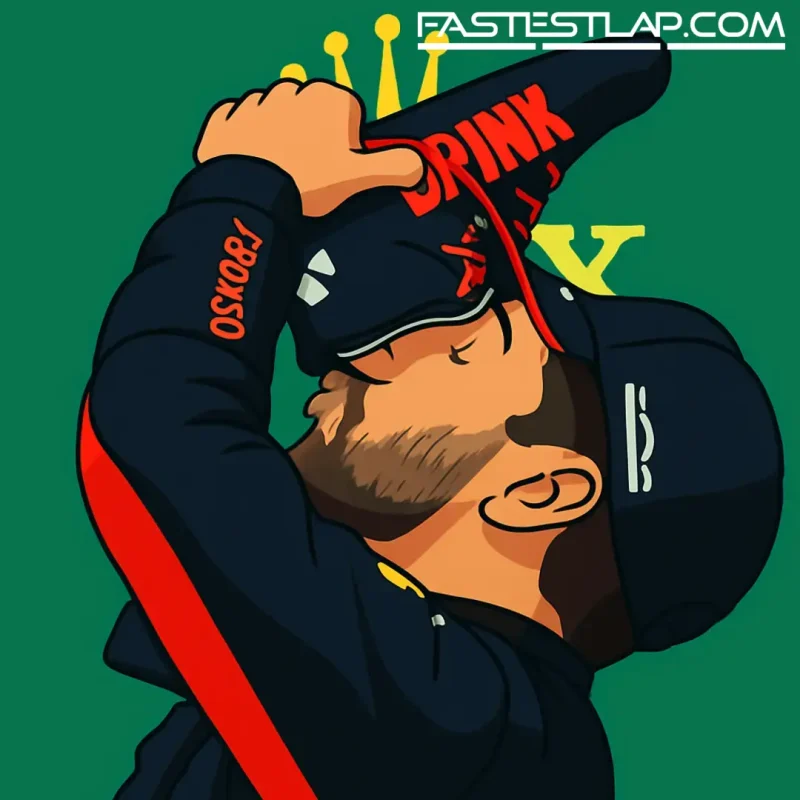
Daniel Ricciardo’s shoey days are firmly in the scrapbook, but he’s not drifting away from the sport he loves. The fan-favourite Australian, who confirmed his retirement from racing, has launched a pathway for karting talents to jump the queue. Two drivers from the Daniel Ricciardo Series will be selected for a Ginetta Junior Scholarship next year, with the winner earning a fully funded seat in the 2027 Ginetta Junior season — the same nursery where a teenage Lando Norris first turned heads back in 2014. It’s a proper leg up, and very Ricciardo: making the hard bit a little more fun, and a lot more accessible.
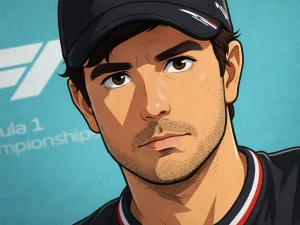
Meanwhile, the Cadillac F1 project has quietly ticked off a key line item for 2026. Per PlanetF1, the American outfit has appointed race engineers for its two headline names: Sergio Perez and Valtteri Bottas. Carlo Pasetti, formerly a performance engineer at Aston Martin, will take charge on Perez’s side of the garage, while John Howard — who previously called the shots for Pierre Gasly at Alpine — will be on the radio to Bottas. It’s a sensible blend: one engineer with a deep background in car performance, another with race-craft mileage under pressure. Early days for Cadillac, but these are grown-up hires for a team that can’t afford to feel like a startup once the lights go out.
Over at Ferrari, the most scrutinised radio channel in Formula 1 might be getting a new voice. Team principal Fred Vasseur stopped short of confirming a change, but admitted the Scuderia is “evaluating all options” when asked if Lewis Hamilton could have a different race engineer for 2026. Hamilton has spent his first year in red getting to grips with the operation while working alongside Riccardo Adami — a stalwart who served Sebastian Vettel and Carlos Sainz — but there’s been the odd scratchy exchange along the way. Nothing unusual for a team in transition, yet Ferrari knows the 2026 rule reset is the moment to lock in every detail of its driver-engineer chemistry. If there’s a tweak to be made, they won’t hesitate.
Nico Rosberg, never shy of a straight answer, has peeled back another layer on his own shock exit. The 2016 World Champion says he’d already made peace with retirement the moment he crossed the start/finish line in Abu Dhabi that year — not after, before. Win the title and walk away: it sounds simple in retrospect, but in the intensity of a title decider against Lewis Hamilton, it was a cold-blooded call few athletes ever make. Rosberg won, said his goodbyes five days later and hasn’t looked back. A decade on, it still reads like one of the ultimate mic-drops in modern sport.
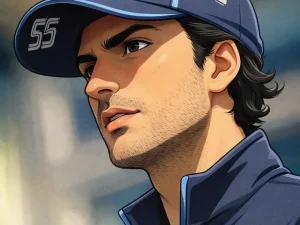
As for the cars themselves, there’s unusual unanimity across battle lines. Lewis Hamilton and Carlos Sainz — team-mates in spirit if not in colour these days — agree it’s time to wave off the ground-effect era when 2025 ends. The current ruleset delivered stunning corner speeds but also punishing ride quality and awkward racing in traffic. With both drivers eyeing 2026’s clean-sheet cars, you can sense the relief. Hamilton has already lived through one era change at the top; Sainz has a new chapter at Williams underway. On this topic, at least, they’re singing from the same hymn sheet.
Back to Ricciardo for a moment. The man whose podium celebrations helped define an era isn’t just lending his name to a junior scheme, he’s picking the talent. That matters. The sport’s ladder is unforgiving, and credibility is currency. If Ricciardo’s stamp fast-tracks one kid who otherwise gets lost in the churn, it’s worth it. And if it opens the door for more initiatives like it, even better.
Cadillac’s quiet progress and Ferrari’s introspection both underline the same thing: everyone’s already playing the 2026 game. Engineer pairings, driver-radio dynamics, even how teams talk to fans — it all gets stress-tested now. The grid knows what’s coming: new engines, new aero, and a chance to reshuffle the order. Some are sprinting to get their house in order. Some are still rearranging the furniture.
And in the middle of it all are the people who make F1 what it is. A veteran calling time and giving back. Two proven race winners betting on a fresh project. A seven-time champion chasing perfection in a new language. A world champion reminding us that sometimes the bravest move is knowing when to stop. It’s a strange, compelling sport — and it’s just getting interesting again.