Ford didn’t sign up for the pistons, but they’re knee-deep in them now.
When the Blue Oval paired with Red Bull Powertrains for Formula 1’s 2026 ruleset, the brief was clear: electrification first. Batteries, inverters, control systems — that’s where Ford wanted the learning. Then reality intruded. As the project matured, Ford’s motorsport boss Mark Rushbrook says the company has expanded its remit to cover far more than it initially planned — up to “almost the entire car,” including the combustion side they’d hoped to avoid.
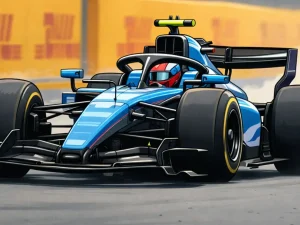
The timing of this pivot matters. F1 is bracing for one of its biggest resets in decades. From 2026, cars are set to shed roughly 30kg, adopt active aerodynamics as DRS exits stage left, and run power units split 50/50 between electric drive and an internal combustion engine fed by fully sustainable fuel. With Honda aligning with Aston Martin from 2026, Red Bull elected to go all-in on its own power unit programme, with Ford as the heavyweight technology partner.
Rushbrook admits Ford arrived for the e-motor classroom and found itself in the machine shop. The company’s been digging into battery cell chemistry, motor and inverter development, calibration and control — and now, manufacturing support on the ICE. It’s a pragmatic move for a manufacturer keen to extract road relevance from racing while ensuring Red Bull’s package is competitive from day one.
This partnership only happened after Red Bull’s talks with Porsche fizzled. Audi, meanwhile, joins the grid in 2026 as Sauber evolves into the Audi works team. Against that backdrop, Ford’s hook-up looked tailor-made: Red Bull Powertrains had the ambition and facilities in Milton Keynes, but not the luxury of unlimited resources or decades of engine-building muscle memory. Ford fills those gaps and then some.
All of which leads to the looming headline act in 2026: energy management. With the electrical contribution doubling, how teams harvest, deploy and protect that energy will decide races as much as aero maps. Max Verstappen — never shy of calling it as he sees it — expects exactly that. “It will,” he said when asked if 2026 will be an energy-management contest. “Some races a bit more than others… that’s already happening now. But for sure, next year, that will be a bit more. Time will tell, of course, if that’s a good thing or a bad thing.”
For Ford and Red Bull, that “bit more” is the whole point. The project started with electrons. It may be won in the grey areas where electric strategy meets combustion craft.