Formula 1 is bringing back the LEGO madness at Silverstone this weekend — and, crucially, it’s doubling down on the bit that made it work.
After the two-seater, team-by-team “big build” cars stole the show in the drivers’ parade at the 2025 Miami Grand Prix, the championship has confirmed the concept will return for Sunday’s British Grand Prix. This time, though, it won’t be a shared ride for each team. Every driver gets their own machine.
That simple tweak changes the entire dynamic. In Miami, the charm was in watching pairs of drivers cram in together and lean into the novelty. At Silverstone, it’s 22 individual cars — one per driver, complete with each race number — and that means more movement, more opportunities for mischief, and less of the “take turns and behave” vibe you sometimes get when the parade becomes another scheduled obligation.
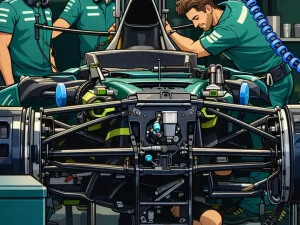
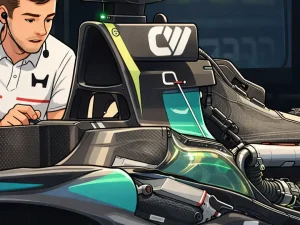
LEGO’s built 22 of the so-called “minicars” for the event, in the colours of every team on the 2026 grid. According to F1, each car is made from 28,000 real LEGO bricks, with the project handled by a group of 20 designers, engineers and LEGO specialists at the company’s Kladno factory in the Czech Republic. Total build time across the fleet: more than 6,400 hours.
It’s not subtle what F1 is doing here. The sport has spent years turning the drivers’ parade from a functional roll-call into a content window — something that works for the grandstands, plays on broadcasts, and clips neatly for social. Miami proved there’s an appetite for parade moments that feel genuinely unscripted, where even the most media-trained drivers can’t quite help dropping their guard. Silverstone, with its hardcore crowd and its habit of turning even small gestures into big reactions, is a smart place to run it back.
Emily Prazer, Formula 1’s chief commercial officer, called last year’s LEGO parade “one of the most memorable and talked-about moments of the season”, and framed the Silverstone return as an attempt to “build on that moment” for fans at the track and watching worldwide.
“There is something truly special about bringing together the worlds of Formula 1 and LEGO play, combining innovation, creativity, and entertainment in a way that can inspire and excite fans of all ages,” Prazer said.
From LEGO’s side, the messaging is refreshingly blunt: people asked for it, so they’re doing it again — only bigger. Julia Goldin, the LEGO Group’s chief product and marketing officer, said the reaction in Miami was “impossible to ignore”, adding: “Fans and drivers alike asked – so now we are delivering.”
“We wanted to go even bigger than last year and ensure we continue to surprise and delight our fans,” Goldin said. “We can’t wait to see what the drivers do when they get these minicars on track.”
That last line is doing a lot of work, because the whole point of a stunt like this is surrendering a little control. The best parade content happens when drivers stop thinking like brand ambassadors and start behaving like competitors again — even if it’s at 20mph in a LEGO car. And giving each driver a separate vehicle is basically an invitation for them to create their own little subplots: who’s going to start weaving, who’s going to try a cheeky overtake, who’s going to deliberately hold someone up, who’s going to play it dead straight and pretend this is totally normal.
The parade is scheduled for 13:30 local time on Sunday, 90 minutes before the start of the British Grand Prix. Which means it lands right in that pre-race window when Silverstone is at its loudest and the broadcast is hunting for colour before the serious business begins.
It’s easy to sneer at this stuff if you want F1 to be nothing but lap time, tyre life and undercut maths. But even the paddock knows there’s value in giving the weekend a human pulse — something for the fans that isn’t filtered through radio messages and post-session diplomacy. Miami showed the LEGO cars can deliver that without feeling forced.
Now the question is whether 22 cars makes it better… or just more chaotic. At Silverstone, that’s usually a feature, not a bug.